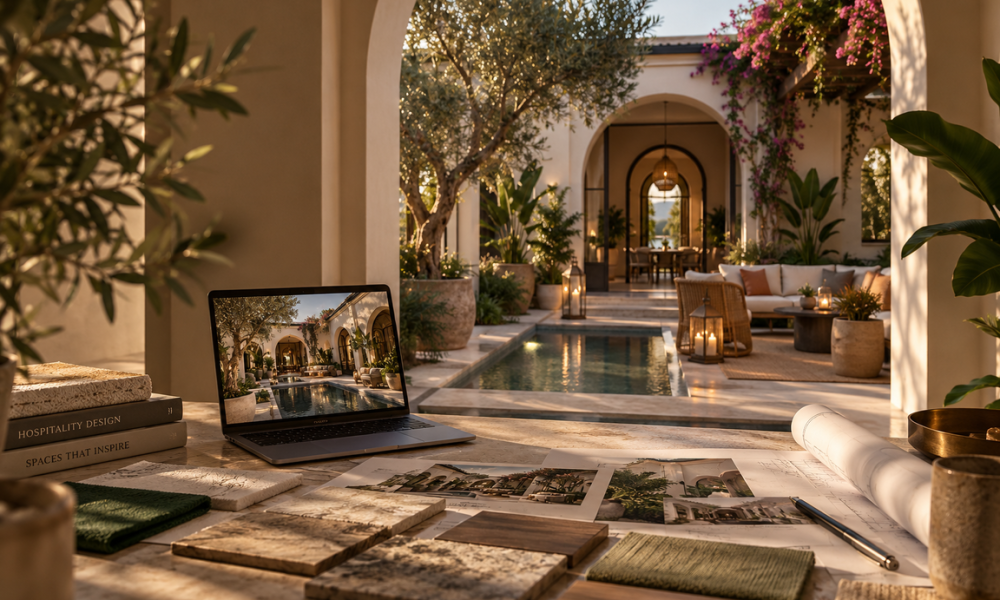
When a guest enters a restaurant, hotel or hospitality venue, their perception begins even before the first service interaction.
The atmosphere, materials, lighting and attention to detail immediately communicate a message: quality, care, authenticity or, on the contrary, a lack of identity.
In hospitality, design is not only about making a space look beautiful. It also plays a key role in increasing the perceived value of the experience.
A thoughtfully designed environment can influence the way guests experience a place, the memory they take away from it and their desire to return.
1. The entrance: first impressions matter
The entrance is the first point of contact between the guest and the brand.
A well-designed, distinctive entrance that is consistent with the venue’s identity creates anticipation and immediately communicates the kind of experience guests can expect.
Every detail contributes to this first impression: lighting, materials, the rhythm of the spaces and the way guests are welcomed.
2. Materials and textures: value is perceived through the senses
Materials communicate the quality of a space.
The choice of surfaces, fabrics and finishes influences the way an environment is perceived: warm wood, natural stone or handcrafted details can convey authenticity and care.
Sensory design creates spaces that are not simply observed, but experienced.
3. Lighting: creating atmosphere and guiding the experience
Lighting is one of the most powerful tools for shaping the perception of a space.
It can make an environment feel more intimate, highlight an architectural feature or create a distinctive atmosphere.
A carefully considered lighting design can guide guests through the space and transform a simple interior into a memorable place.
4. Comfort and functionality: when the space works for people
The layout of the spaces, the comfort of the furniture and the flow of circulation directly affect both the guest experience and the work of the staff.
La disposizione degli ambienti, la comodità degli arredi e la fluidità dei percorsi influenzano direttamente l’esperienza del cliente e il lavoro dello staff.
When aesthetics and functionality work together, the space feels more natural and intuitive for both those who visit it and those who work there every day.
5. Identity: what makes a place recognisable
The most memorable venues are those that have a story to tell.
A strong concept, consistently expressed throughout every element of the design, helps build a distinctive and recognisable identity while creating an emotional connection with the guest.
Design therefore becomes a communication tool: it tells people who you are, what you offer and why they should choose your venue.
Designing spaces that create value
The value of a hospitality space does not depend only on what it offers, but also on how it makes people experience it.
A carefully considered interior design project can turn the space itself into a distinctive element of the brand, capable of creating emotion, strengthening identity and encouraging guests to return.
Because in hospitality, people are not simply looking for a place to go: they are looking for an experience to live.